.webp)
.webp)

.webp)
PHYSICAL SECURITY INFORMATION MANAGEMENT
Physical Security Information Management (PSIM) is an integrated platform that acts as middleware connecting systems and sub-systems within Safer City and Smarter City programs. The system utilizes proactive surveillance triggered by risk-based assessments of security events. By integrating video management, sensors, and communication systems, PSIM provides centralized monitoring, real-time analysis, and coordinated response capabilities. This enables authorities to improve situational awareness, enhance security operations, and manage public safety more efficiently.
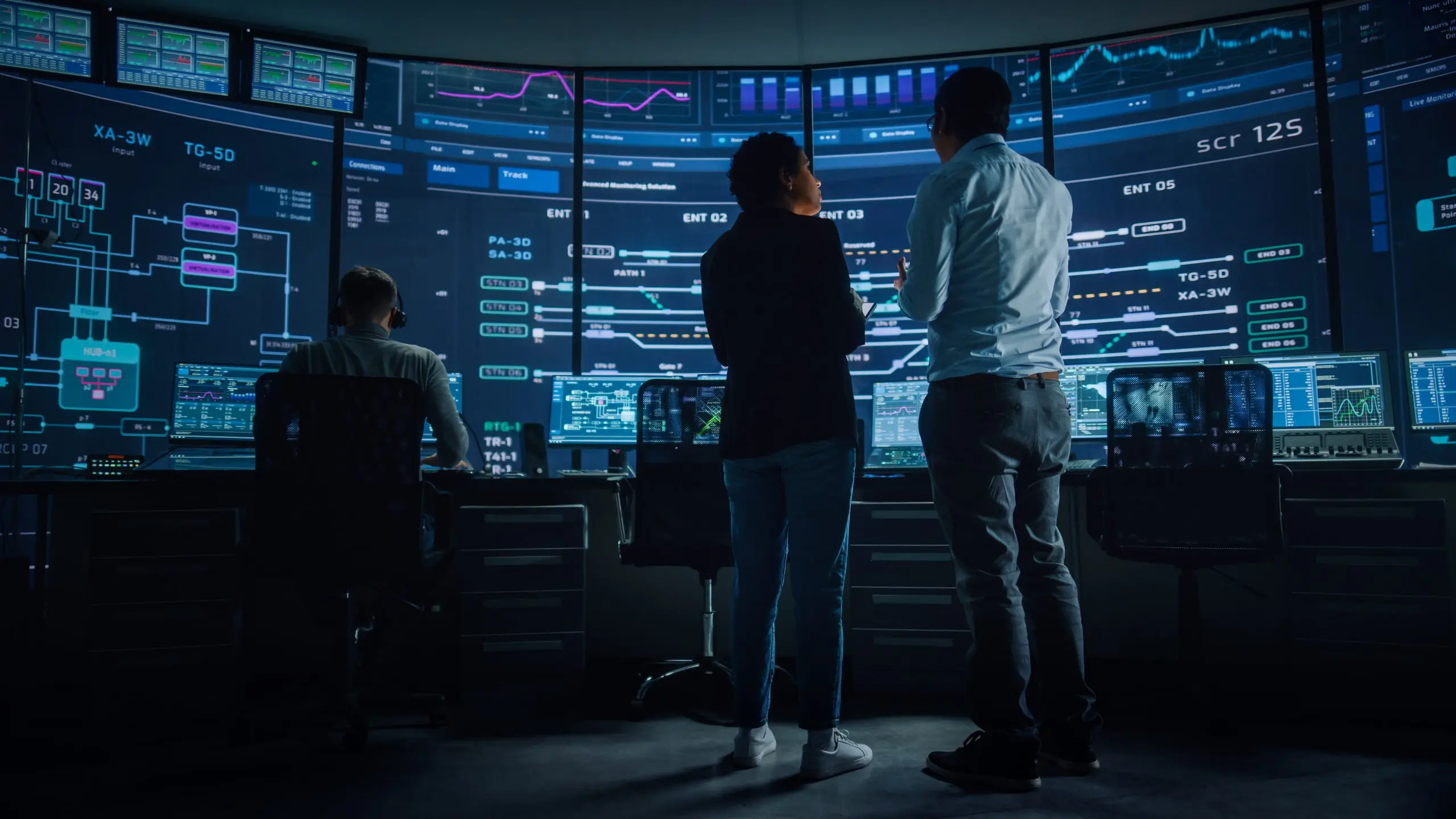
BIG DATA ANALYSIS
Big data analysis is a powerful business intelligence tool used to examine large and complex data sets to uncover hidden patterns, correlations, and valuable insights. By processing massive volumes of structured and unstructured information, organizations can identify trends and opportunities. This analytical approach enables businesses to make informed, data-driven decisions, improve operational efficiency, and gain a competitive advantage by leveraging data as a strategic asset.
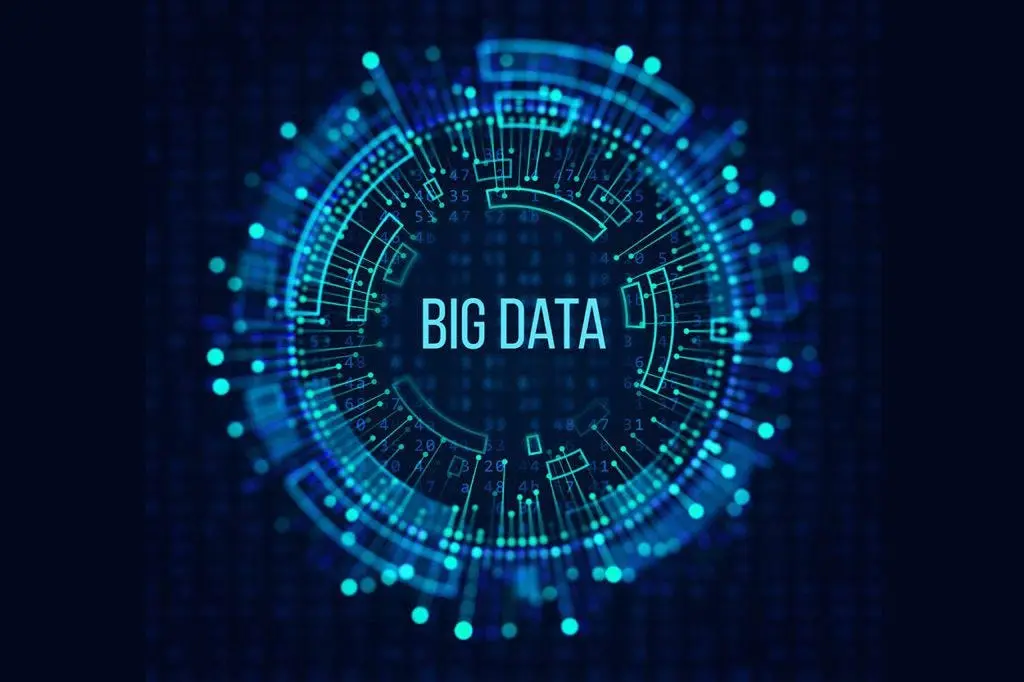
COMPUTER AIDED DISPATCH (CAD)
Computer-Aided Dispatch (CAD) enhances the efficiency and accuracy of dispatch operations for both emergency and non-emergency services. The system automates call handling, resource allocation, and incident tracking through advanced communication and real-time data integration technologies. By providing centralized coordination and instant information access, CAD enables faster response times and better decision-making. This improves operational effectiveness, ensures optimal use of resources, and strengthens the overall capability of public safety and emergency response agencies.

INTEGRATED SMART VEHICLE
Integrated Smart Vehicle patrol systems collect real-time information and provide on-site intelligent early warnings for mobile targets and emergency situations. Using artificial intelligence and advanced video analytics, the system enables law enforcement units to monitor activities, identify suspicious targets, and respond quickly. These vehicles support proactive surveillance, mobile command capabilities, and rapid decision-making. By integrating smart technologies, the solution strengthens public safety operations and helps authorities detect, track, and intercept threats effectively.

AE-OFFICE
AE-Office streamlines and automates administrative tasks within an organization by digitizing office operations and improving workflow management. It enables efficient electronic document handling, secure storage, and quick retrieval of information. The system also supports seamless communication, task tracking, and approval processes across departments. By reducing paperwork and manual effort, AE-Office enhances transparency, boosts productivity, and ensures faster decision-making for smoother and more efficient organizational management.

PROJECT MANAGEMENT PROGRAM (PMP)
The Program Management System (PMS) is designed to manage and coordinate multiple related projects within an organization. It provides a structured framework for planning, executing, monitoring, and controlling projects to ensure efficient resource utilization and timely delivery. PMS enables better coordination among teams, tracks progress, manages risks, and ensures all projects remain aligned with the organization’s strategic objectives and overall business goals for improved performance.

AE - LEARNING MANAGEMENT SYSTEM
AE–Learning Management System (AE–LMS) enables organizations to plan, deliver, track, and evaluate educational and training programs efficiently. It centralizes the management of learning activities and automates course administration, making it easier to distribute training and educational content to users. The system also supports virtual classrooms, offering video lectures, structured course outlines, assignments, and downloadable materials such as documents and PDFs for an enhanced digital learning experience.

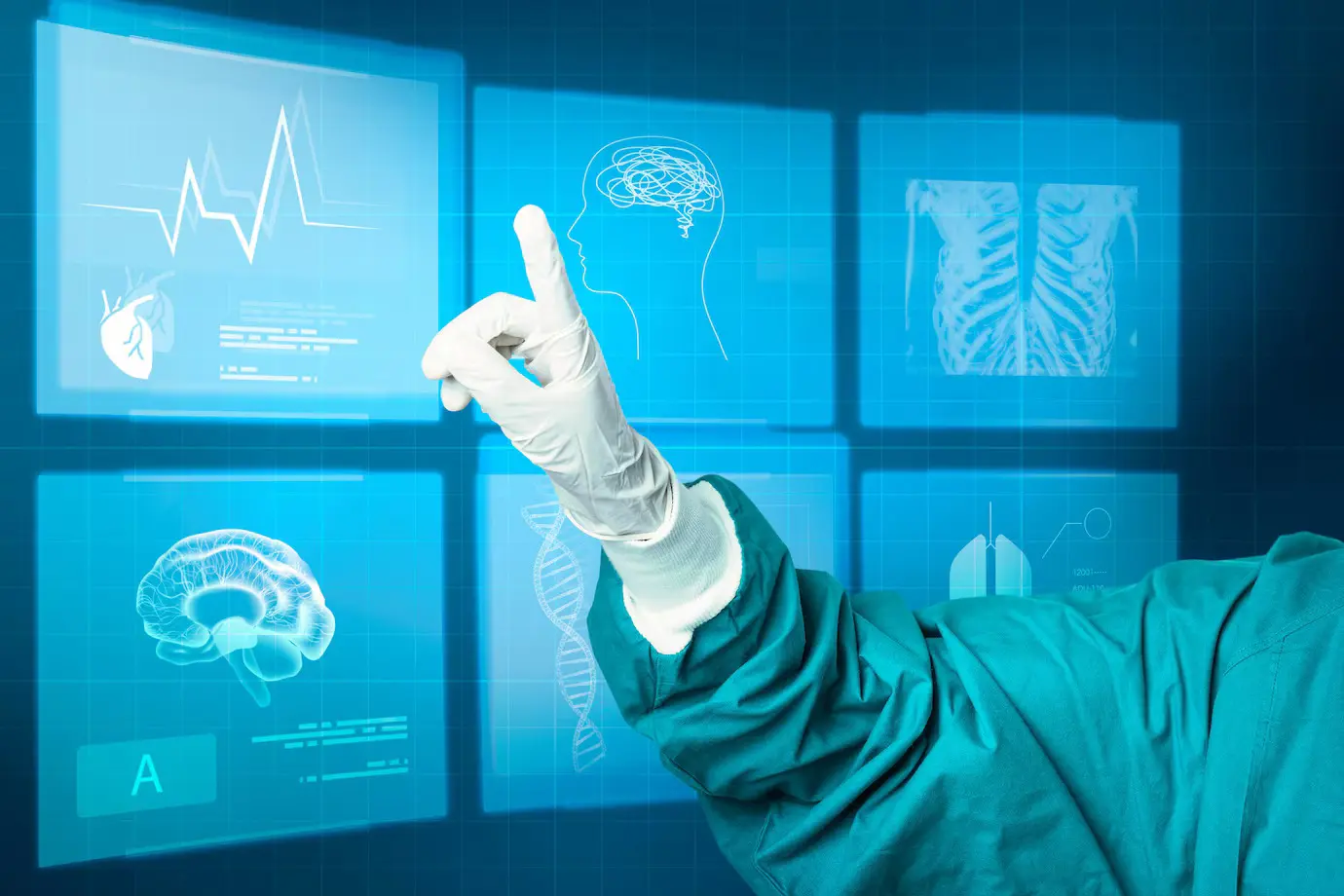
AI BASED HOSPITAL MANAGEMENT & DIAGNOSES SYSTEM
An AI-based Hospital Management and Diagnosis System integrates technologies such as Artificial Intelligence (AI), Machine Learning (ML), Electronic Health Records (EHR), Natural Language Processing (NLP), and advanced data management. It improves patient management, supports accurate diagnosis, and enables personalized treatment plans. The system also facilitates remote monitoring, emergency response, patient engagement, secure data handling, system interoperability, and continuous model learning to effectively manage a wide range of diseases and medical conditions.
CAMPUS MANAGEMENT SYSTEM
The Campus Management System is designed to efficiently manage the daily operations of educational institutions. It integrates administrative, academic, and financial processes into a single unified platform, enabling schools, colleges, and universities to streamline their campus activities. The system supports functions such as student records, attendance, course management, fee processing, and communication, helping institutions improve organization, enhance productivity, and ensure smooth management of campus operations.
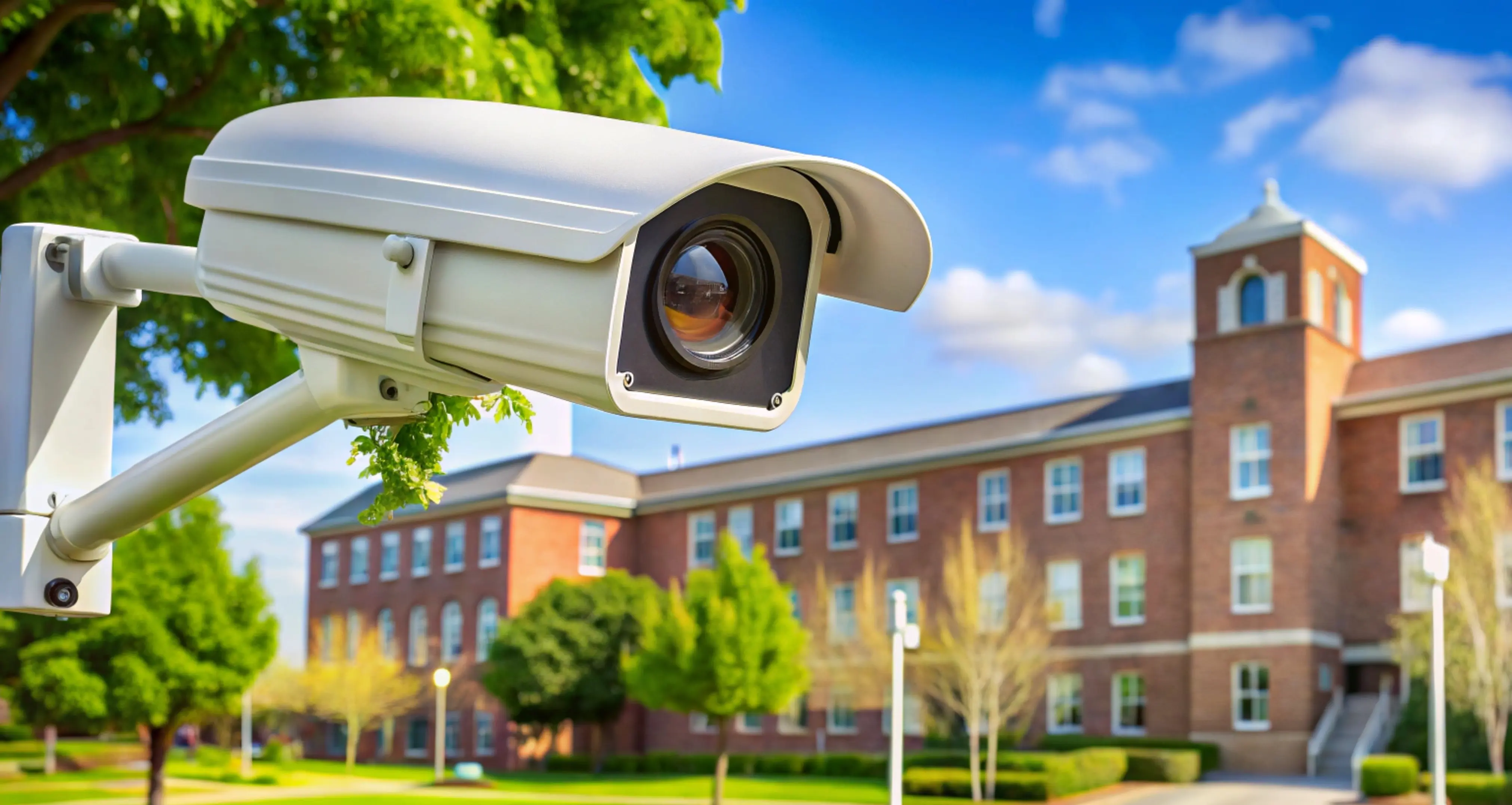
SMART PARKING SYSTEM
Smart Parking digitizes the management and operation of parking facilities through the installation of advanced parking equipment and the implementation of a state-of-the-art Smart Parking System (SPS). It enables efficient monitoring, automated entry and exit management, and real-time space availability. The system also facilitates transparent collection and management of parking revenues from facilities operating within the city of Peshawar under the administrative control of the Peshawar Development Authority (PDA).
FINE MANAGEMENT SYSTEM
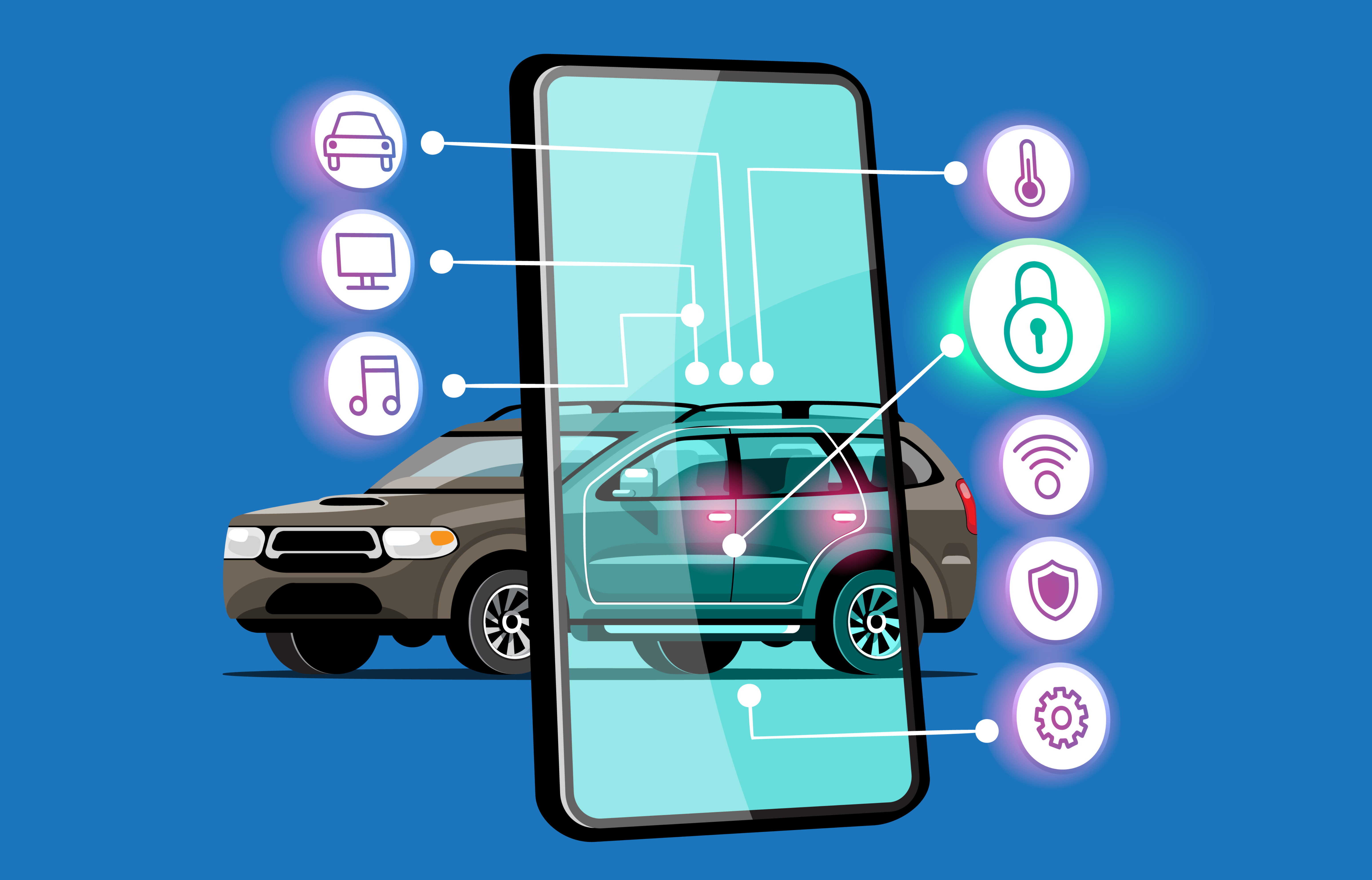
The Fine Management System is designed to efficiently issue, track, and collect fines. It is suitable for government agencies, municipalities, traffic departments, and organizations that require a reliable system for managing penalties. The platform automates the entire fine lifecycle, from issuance and notification to payment and record management. By ensuring transparency, accuracy, and proper documentation, the system improves accountability and streamlines the overall process of fine administration.

CALL CENTER
A Call Center is a centralized facility designed to manage customer interactions through multiple communication channels such as phone, email, chat, and online platforms. It handles large volumes of inquiries, service requests, technical support, and sales-related activities. By organizing and tracking customer communications efficiently, call centers enhance service quality, improve response times, and increase overall operational efficiency while ensuring a better and more consistent customer experience.

ACCESS CONTROL SYSTEM
The Access Control System is a security solution designed to regulate and monitor access to physical locations or digital resources. It ensures that only authorized individuals can enter restricted areas or use specific systems. By using authentication methods such as cards, biometrics, or passwords, the system enhances security, prevents unauthorized access, maintains access records, and improves operational efficiency within organizations and facilities.

CRIMINAL IDENTIFICATION SYSTEM
Criminal identification is a system used to accurately identify individuals involved in criminal activities. It supports law enforcement agencies by matching suspects with available evidence, biometric data, and criminal records. This process improves the efficiency of investigations, helps track offenders, and ensures reliable identification. By enabling faster verification and data analysis, criminal identification systems play a vital role in maintaining public safety and supporting the justice process.

INTEGRATED GIS FOR CRIME ANALYSIS
Integrated Geographic Information Systems (GIS) enable the visualization and analysis of crime and operational data through geographic mapping. By presenting information spatially, GIS helps identify patterns, trends, and crime hotspots across different locations. This insight supports law enforcement and decision-makers in planning effective strategies, optimizing resource allocation, and improving response planning. Ultimately, GIS enhances situational awareness and strengthens data-driven decision-making for better security and operational management.

SMART WASTE MANAGEMENT
Smart Waste Management integrates IoT sensors, artificial intelligence, and cloud-based platforms to improve the collection, monitoring, and disposal of waste. The system tracks waste levels in real time, optimizes collection routes, and supports efficient sorting and recycling processes. By automating operations and providing data-driven insights, it reduces operational costs, enhances service efficiency, and promotes environmental sustainability for cleaner and smarter urban waste management.
.webp)
INCIDENT MANAGEMENT SYSTEM
An Incident Management System (IMS) provides a structured platform for reporting, logging, tracking, and resolving incidents within an organization. It enables quick identification of issues, efficient coordination among teams, and timely response to critical events. By maintaining detailed records and monitoring incident progress, IMS improves response times, ensures effective problem resolution, and helps organizations maintain operational continuity, service reliability, and overall organizational efficiency.

CUSTOMER RELATIONSHIP MANAGEMENT (CRM)
The Complaint Management System streamlines the process of registering, tracking, and resolving complaints within an organization. It enables users to submit issues easily while allowing administrators to monitor progress and ensure timely responses. The system improves transparency, accountability, and service quality. Suitable for customer service centers, government agencies, educational institutions, and corporate enterprises, it helps organizations enhance customer satisfaction and efficiently manage and resolve reported concerns.

ENTERPRISE RESOURCE PLANNING (ERP)
Enterprise Resource Planning (ERP) is an integrated system that automates and manages core business processes across multiple departments, including Finance, Human Resources, Supply Chain, Inventory Management, and Customer Services. By centralizing organizational data into a single platform, ERP improves coordination, enhances operational efficiency, and supports informed decision-making. It provides real-time insights into business activities, helping organizations streamline workflows, reduce operational costs, and achieve better overall performance.

DELIVERY MANAGEMENT SYSTEM
The Delivery Management System streamlines and optimizes the delivery process for businesses by automating logistics operations. It enables efficient order management, real-time shipment tracking, and route optimization for faster deliveries. The system also improves coordination and communication between dispatchers, drivers, and customers. By providing better visibility and control over delivery activities, it enhances operational efficiency, reduces delays, and improves overall customer satisfaction.

REAL ESTATE MANAGEMENT SYSTEM
The Real Estate Management System provides a comprehensive platform for managing property-related operations efficiently. It integrates key functions such as property listings, tenant management, lease tracking, rent collection, and maintenance request handling. By centralizing these activities into a single system, it helps property managers, landlords, and real estate agencies streamline operations, improve communication with tenants, and maintain accurate records for better property management and decision-making.

FACE RECOGNITION SYSTEM
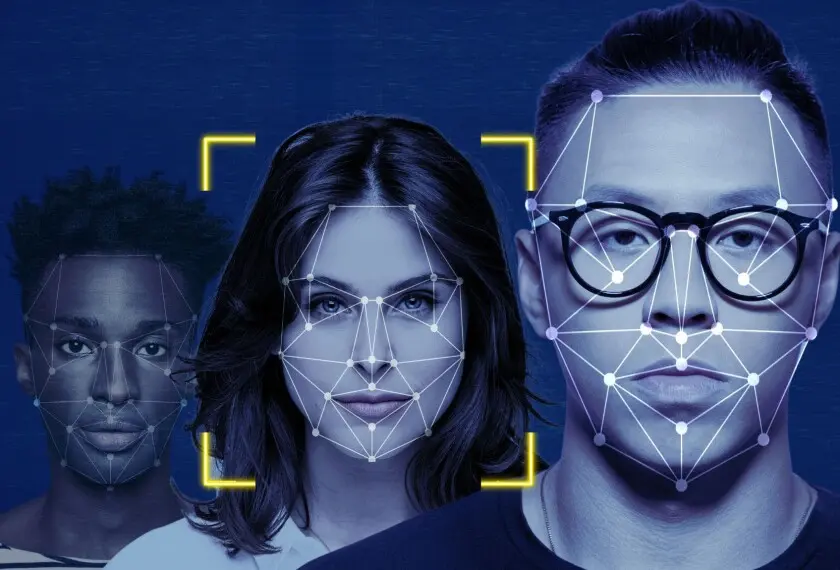
The Face Recognition System enhances security by using artificial intelligence and machine learning to accurately detect and identify individuals in real time. It automates access control, monitors human activity, and records attendance or entry logs without manual intervention. The system provides high accuracy and fast identification, making it suitable for security-sensitive environments such as airports, corporate offices, educational institutions, government facilities, and other public spaces.
FINGERPRINT IDENTIFICATION SYSTEM
The Fingerprint Identification System provides secure and accurate identification of individuals using their unique fingerprint patterns. It captures and analyzes biometric data to verify identities quickly and reliably. The system enhances security, prevents unauthorized access, and maintains detailed authentication records. Commonly used in offices, financial institutions, government facilities, and secure environments, it offers an efficient biometric solution for identity verification and access control.

E-TICKETING SYSTEM
An E-Ticketing System is a digital platform that enables users to purchase, manage, and verify tickets electronically. It eliminates the need for physical tickets by providing secure digital access through mobile devices or online accounts. The system simplifies booking, payment, and ticket validation processes, making it convenient for both users and service providers. It is widely used for events, transportation services, and entertainment venues.
KNOWLEDGE MANAGEMENT SYSTEM
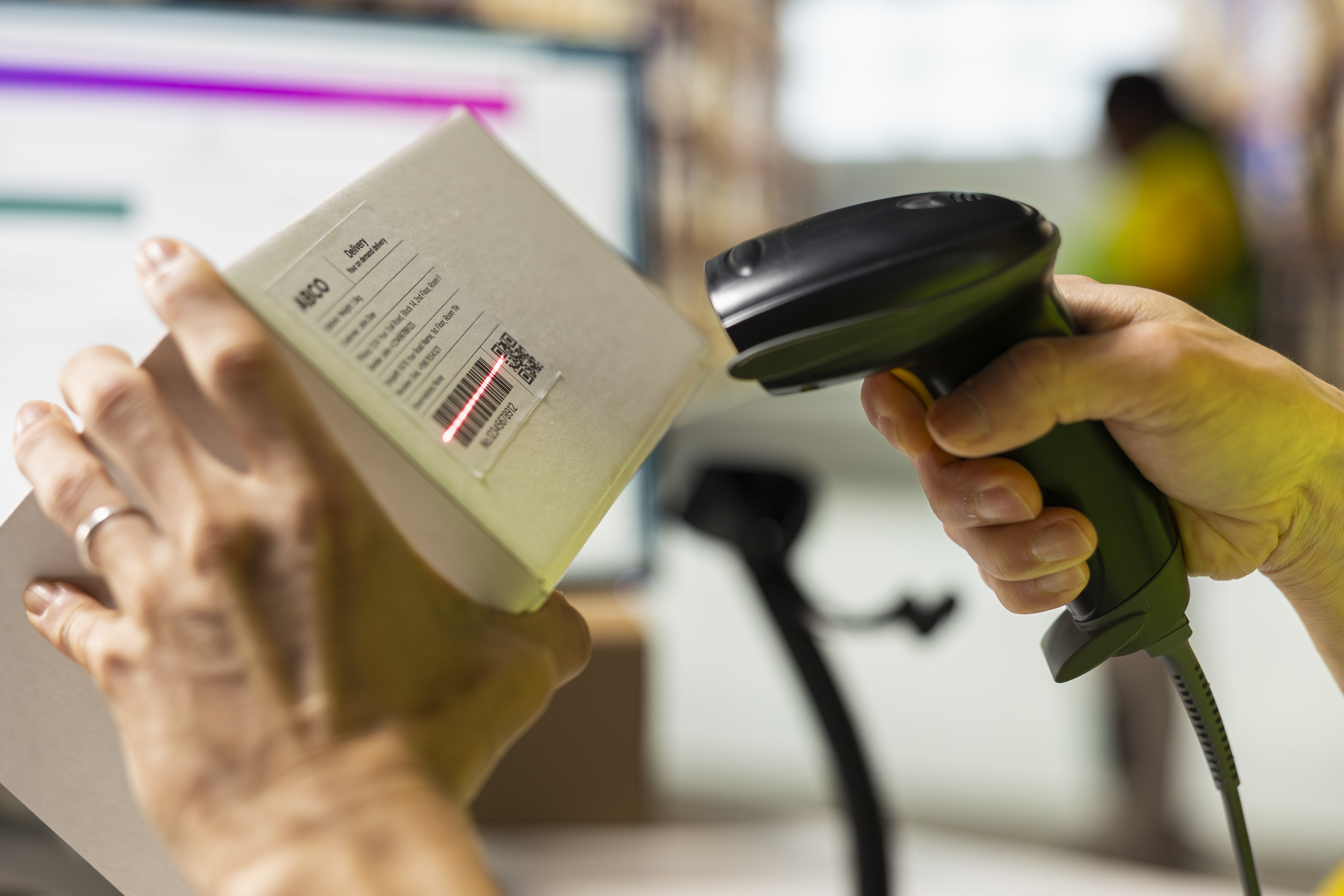
A Knowledge Management System (KMS) is designed to capture, store, organize, and distribute knowledge within an organization. It centralizes information resources such as documents, guidelines, and best practices, making them easily accessible to employees when needed. By facilitating knowledge sharing and collaboration, KMS improves productivity, supports informed decision-making, and encourages innovation while preserving valuable organizational knowledge for future use.

TASK MANAGEMENT SYSTEM (TMS)
A Task Management System (TMS) helps individuals and teams organize, assign, and track tasks efficiently. It provides tools for planning activities, setting priorities, monitoring progress, and managing deadlines. By offering clear task visibility and collaboration features, the system ensures that responsibilities are well distributed and projects remain on schedule. TMS improves productivity, accountability, and coordination, enabling teams to complete projects on time and within defined scope.

SHIFT MANAGEMENT SYSTEM (SMS)
The Shift Management System (SMS) is designed to streamline the scheduling, tracking, and management of employee work shifts within an organization. It enables managers to assign shifts, monitor attendance, and adjust schedules efficiently. The system helps optimize workforce allocation, ensures compliance with labor regulations, and reduces scheduling conflicts. By improving coordination and transparency, SMS supports smooth operations and maintains consistent productivity across teams and departments.

CASE FLOW MANAGEMENT SYSTEM
The Case Flow Management System is designed to manage cases from initiation to resolution in an organized and efficient manner. It is ideal for legal firms, courts, and organizations that handle complex case processes. The system centralizes case records, tracks progress, manages documentation, and supports analysis. By improving transparency, coordination, and workflow management, it ensures timely handling of cases and enhances overall operational efficiency.

FLEET MANAGEMENT SYSTEM
The Fleet Management System helps organizations monitor, manage, and optimize the operations of vehicle fleets. It provides features such as real-time vehicle tracking, maintenance scheduling, fuel monitoring, and route optimization. The system improves fleet utilization, reduces operational costs, and enhances driver safety. It is widely used by logistics companies, delivery services, and corporate fleets that rely on efficient transportation management and timely vehicle operations.

VISITOR MANAGEMENT SYSTEM
Visitor Management System (VMS) streamlines the process of managing and tracking visitors within a facility. It replaces traditional paper logbooks with a digital system that registers, verifies, and monitors visitor entry and exit. The system enhances security, improves the visitor experience, and automates check-in procedures. VMS is ideal for government offices, corporate buildings, schools, hospitals, and other facilities that require secure and efficient visitor management.

VEHICLE TAX MONITORING SYSTEM
The Vehicle Tax Monitoring System automates the management, tracking, and verification of vehicle tax payments. It enables authorities to monitor tax compliance, maintain accurate records, and generate reports efficiently. The system helps vehicle owners check tax status and make timely payments, reducing delays and errors. By improving transparency and accountability, it supports regulatory bodies in ensuring proper tax collection and effective vehicle tax administration.